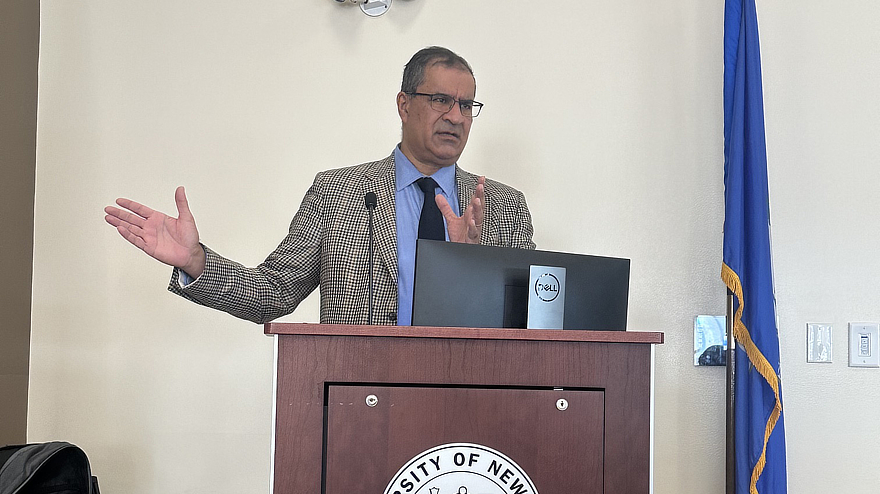
English professor Randall Horton, Ph.D., has been recognized as a 2026 Writing Freedom Fellow, a distinction that highlights his literary work and lived experience while supporting his next creative project.
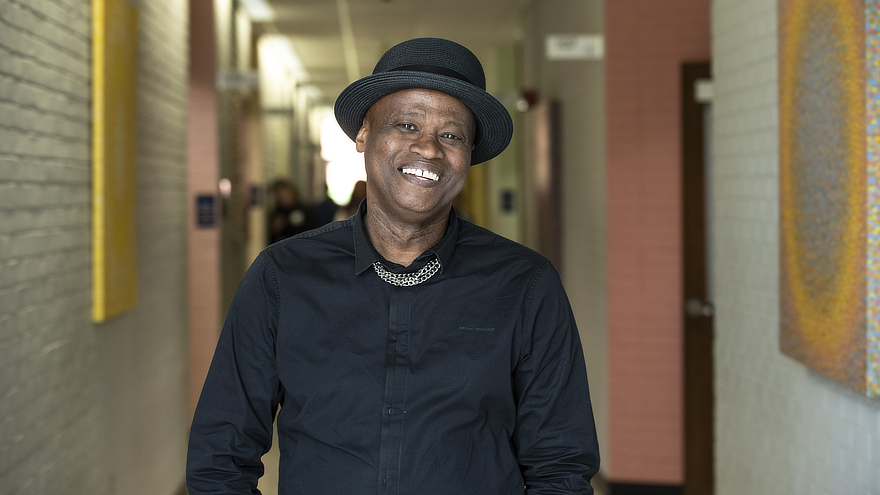
has been named a , a prestigious honor that celebrates poets, fiction writers, and creative nonfiction authors whose work is shaped by experiences within the carceral system. The fellowship acknowledges literary excellence and supports artists in continuing their work.
“I would say there is a certain validation of the work itself, of being a writer,� Dr. Horton said. “To be acknowledged by distinguished judges is humbling.�
He reflects on the often solitary nature of writing, noting that recognition can come unexpectedly. “Sometimes we operate in a silo and never know who is reading what we create.�
'This fellowship will give me the crucial time and space'
In addition to the recognition, the fellowship provides momentum for new projects. The fellowship also provides time, an invaluable resource to any writer.
“This fellowship will give me the crucial time and space I need to complete my next creative nonfiction book,� Dr. Horton said.
That upcoming work, tentatively titled Alabama Could Be Anywhere, continues his exploration of identity, place, and lived experience.
“I want my writing to speak to the human condition and what it means to operate with a moral compass,� he said.
'My life doesn’t have to be defined by a box'
As a writer shaped by , Dr. Horton has been intentional about how—and when—he shares that part of his story. “As a writer who is system impacted, I always tell audiences: how could I not go back when I know what I left behind?�
Earlier in his career, he made a deliberate choice to avoid being confined to a single narrative. “I purposely chose not to write about my carceral experiences early on,� he said. “Because I knew people would try to frame me as a ‘prison writer.’�
Instead, his work pushes beyond those labels, or labels of any kind. “The cell was and always will be a box, but my life doesn’t have to be defined by a box.�
'I am a professor who shouldn’t exist'
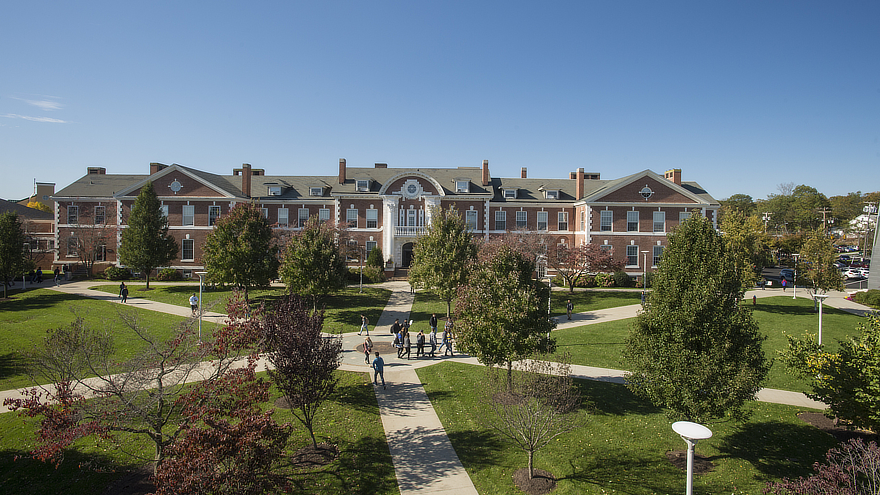
In the classroom at the University of New Haven, Dr. Horton brings these perspectives directly to his students, encouraging them to think critically about systems, language, and identity.
“I often tell my students I am a professor who shouldn’t exist within their understanding of the judicial system,� Dr. Horton shared.
He challenges assumptions about labels and the long-lasting effects of incarceration. “The language of incarceration often recriminalizes a person long after they have been released.�
'Help shape conversations that are unique'
In addition to his time in the classroom, he mentors students pursuing careers within the same systems he critiques. “I take great pride in the letters of recommendation I’ve written for mentees who now work as police, probation, and correctional officers.�
In courses such as Prison Literature, Dr. Horton blends personal experience with academic insight to create powerful learning environments.
“My experiences, along with my writing, help shape conversations that are unique,� he said. “And are perhaps once-in-a-lifetime opportunities to reimagine the carceral system.�
Through his work as a writer, mentor, and educator, Dr. Horton continues to expand the boundaries of storytelling and understanding.
“I want people to know that the universality that we would like to see as human beings resides in the difference that we are as a human race.�
Contact
Get the highlights!
Stay up to date with our weekly e-newsletter, highlighting stories from around the University and media clips featuring our faculty experts.